
Every day, millions of cars and trucks share the same highways and local roads. For many drivers, passing or driving near a large commercial truck is just another part of the daily commute. But what most people don’t realize is that sharing the road with large trucks, such as 18-wheelers, tractor-trailers, and semi-trucks, is far riskier than it seems.
The size, weight, and unique handling characteristics of commercial trucks make them significantly more dangerous in traffic situations. Whether you’re a new driver or a seasoned commuter, understanding the hidden dangers of driving near these massive vehicles can help protect you and your loved ones, a fact often emphasized by an experienced Washington DC truck accident lawyer who has seen the consequences of these crashes firsthand.
The Sheer Size and Weight of Trucks
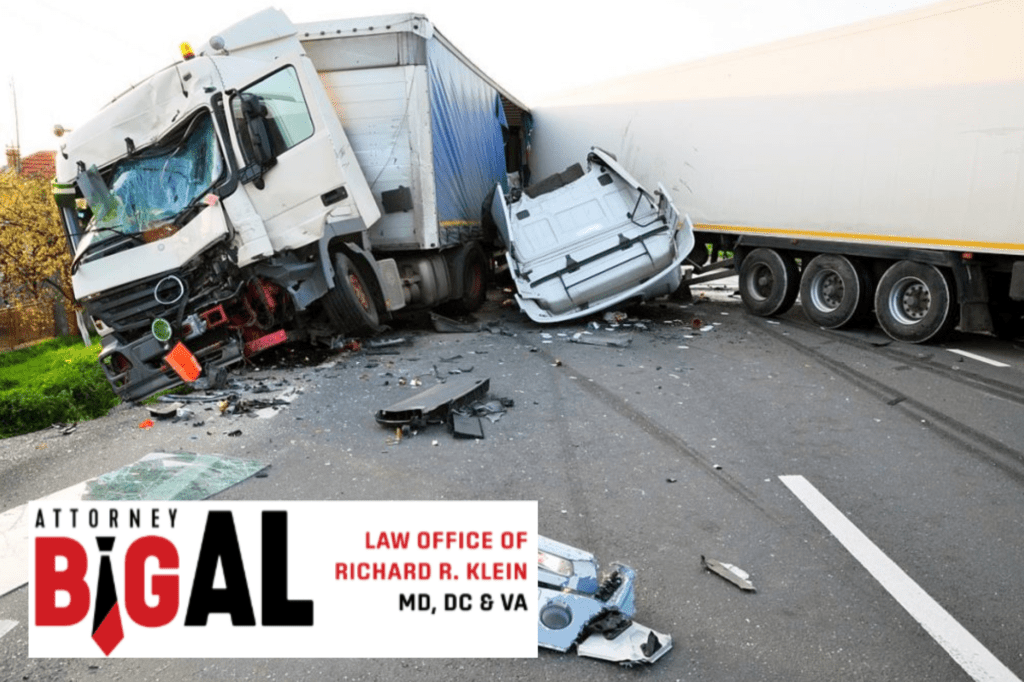
The most obvious difference between a car and a truck is size. A fully loaded tractor-trailer can weigh up to 80,000 pounds. In comparison, the average passenger car weighs around 3,000 to 4,000 pounds. This disparity means that in any collision, the smaller vehicle is at a clear disadvantage.
Stopping Distance
One of the most dangerous misconceptions is that trucks can stop as quickly as cars. In reality, a fully loaded truck requires 20% to 40% more distance to come to a complete stop than a car, especially when traveling at highway speeds. This increased stopping distance becomes critical in heavy traffic, during sudden stops, or in poor weather conditions.
Limited Maneuverability
Trucks don’t handle like cars. They require a much wider turning radius, have slower acceleration and deceleration, and are less responsive to sudden steering corrections. If a driver cuts off a truck or stops abruptly in front of it, the truck may not be able to avoid a collision in time, something a truck accident lawyer Washington DC often sees in cases involving serious roadway negligence and preventable crashes.
The Danger of Blind Spots
All vehicles have blind spots, but trucks have significantly larger “no zones” where visibility is completely obstructed. These blind spots include:
- Directly in front of the truck (the driver can’t see you if you’re too close)
- Along both sides of the truck, especially on the right
- Directly behind the trailer
Many drivers are unaware that if they cannot see the truck driver’s mirrors, the driver likely cannot see them either. Accidents frequently occur when cars linger in these blind spots or try to pass a truck too closely, a risk that a seasoned Washington DC truck accident attorney often highlights when advocating for safer driving practices and representing victims of such collisions.
Common Causes of Truck-Related Accidents
Truck accidents happen for a variety of reasons, and they are often devastating due to the forces involved. According to the Federal Motor Carrier Safety Administration (FMCSA), large truck crashes contributed to over 4,700 fatalities in a recent year alone. The following are some of the most common contributing factors:
Driver Fatigue
Federal regulations limit the number of hours truck drivers can be on the road, but fatigue still remains a leading cause of accidents. Long hours, tight deadlines, and inadequate rest can impair judgment and reaction time.
Distracted Driving
Like all motorists, truck drivers are susceptible to distractions texting, using a GPS, eating, or checking a dispatch device. A moment of distraction can have deadly consequences, especially for trucks traveling at high speeds.
Improperly Loaded Cargo
Cargo that shifts during transit or is improperly secured can affect a truck’s balance and handling. In some cases, cargo may even fall onto the roadway, causing multi-vehicle accidents.
Mechanical Failures
Brake failure, tire blowouts, and other mechanical issues are more common in commercial trucks due to their long distances and heavy loads. Routine inspections are required by law, but not all carriers maintain their fleets as diligently as they should.
Why Car Drivers Are Often at Greater Risk
While truck drivers undergo specialized training and must adhere to strict regulations, the majority of fatalities in truck-car collisions involve the occupants of the smaller vehicle. The reasons are clear:
- Passenger vehicles lack the structural protection needed to withstand impacts from large trucks.
- High-impact collisions often lead to catastrophic injuries, such as traumatic brain injuries, spinal cord damage, or fatalities.
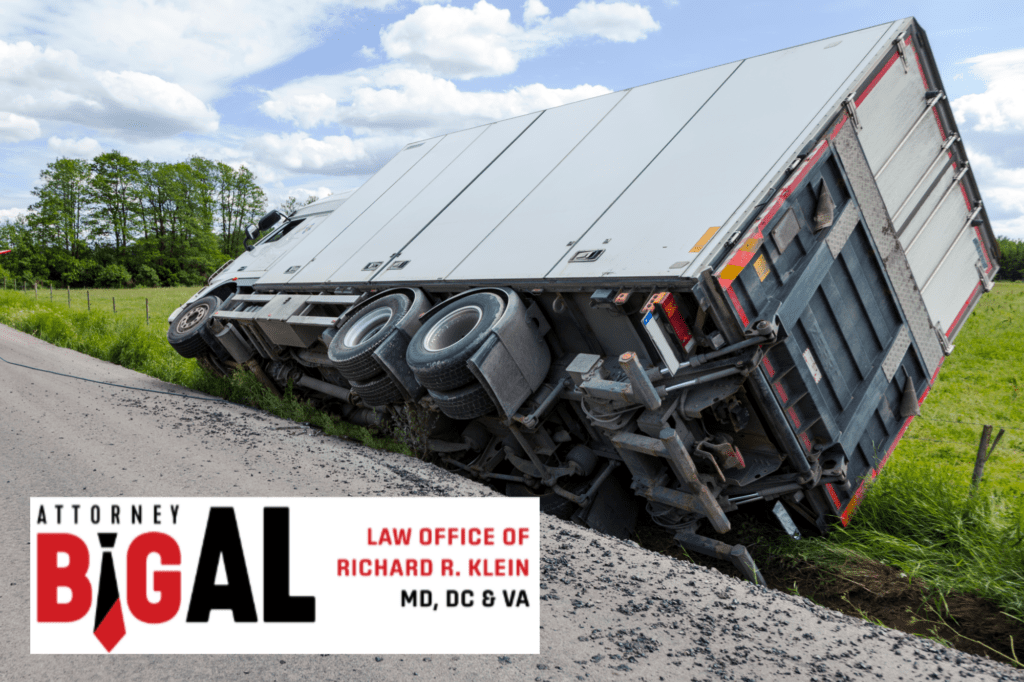
- Rollovers and underride crashes (where a car slides underneath a trailer) are especially deadly.
How to Stay Safe When Driving Near Trucks
Understanding the risks is the first step to safer driving. Here are several precautions every driver should take:
1. Avoid Blind Spots
Don’t linger in a truck’s blind spots. If you need to pass, do so quickly and safely, ideally on the left side where visibility is better.
2. Don’t Cut in Front of a Truck
Remember that trucks need more room to stop. Cutting in too closely after passing is dangerous, particularly in sudden-stop situations.
3. Stay Back
Following too closely behind a truck means you can’t see what’s ahead, and the truck driver can’t see you. Keep a safe distance.
4. Be Patient
Large trucks accelerate slowly, especially on inclines. Avoid aggressive driving maneuvers, tailgating, or unnecessary honking, which can lead to road rage or panic reactions.
5. Use Your Signals Clearly
Give truck drivers plenty of notice when changing lanes or making turns. Sudden moves are harder for them to accommodate.
Legal and Financial Implications of Truck Accidents
Truck accidents often lead to complex legal cases. Because they involve commercial vehicles, multiple parties may be held liable, including:
- The truck driver
- The trucking company
- Cargo loaders
- Vehicle or parts manufacturers
- Maintenance contractors
In addition, commercial trucking companies typically have large insurance policies, and their legal teams work quickly to protect their interests. Victims of truck accidents often face an uphill battle without experienced legal representation. A skilled truck accident attorney Washington DC can help level the playing field, advocating for fair compensation and holding negligent parties accountable.
If you’ve been involved in a truck-related accident, it’s critical to understand your rights and pursue compensation for medical expenses, lost wages, property damage, and pain and suffering. The aftermath of such an accident can be financially and emotionally overwhelming, especially if serious injuries or fatalities are involved.
About Attorney Big Al
At Attorney Big Al, we understand the devastating consequences truck accidents can have on victims and their families. Our experienced legal team is dedicated to helping individuals navigate the complex claims process after a truck collision. We investigate every aspect of the accident, work with industry experts, and fight to secure the compensation our clients deserve.
Whether your case involves driver negligence, vehicle malfunction, or corporate liability, we are here to advocate for you every step of the way.

