Urban cycling is on the rise as more people turn to bikes for commuting, fitness, and environmental sustainability. Cities are adapting, adding bike lanes and promoting cycling as a healthy, green alternative to driving. But despite growing infrastructure and public awareness, city cycling still presents significant and often unexpected dangers.
While most cyclists are alert to obvious threats like speeding cars or poor road conditions, many hazards fly under the radar. Whether you’re a daily bike commuter or a weekend rider, understanding the full scope of risks on city streets is essential to staying safe and preventing life-altering accidents.
The Illusion of Safety in Dedicated Bike Lanes
Bike lanes offer a false sense of security in many urban areas. Though designed to separate cyclists from vehicle traffic, bike lanes are often compromised by poor planning or driver negligence factors, which a skilled Baltimore bicycle accident attorney frequently encounters when advocating for injured cyclists.
1. Door Zone Accidents
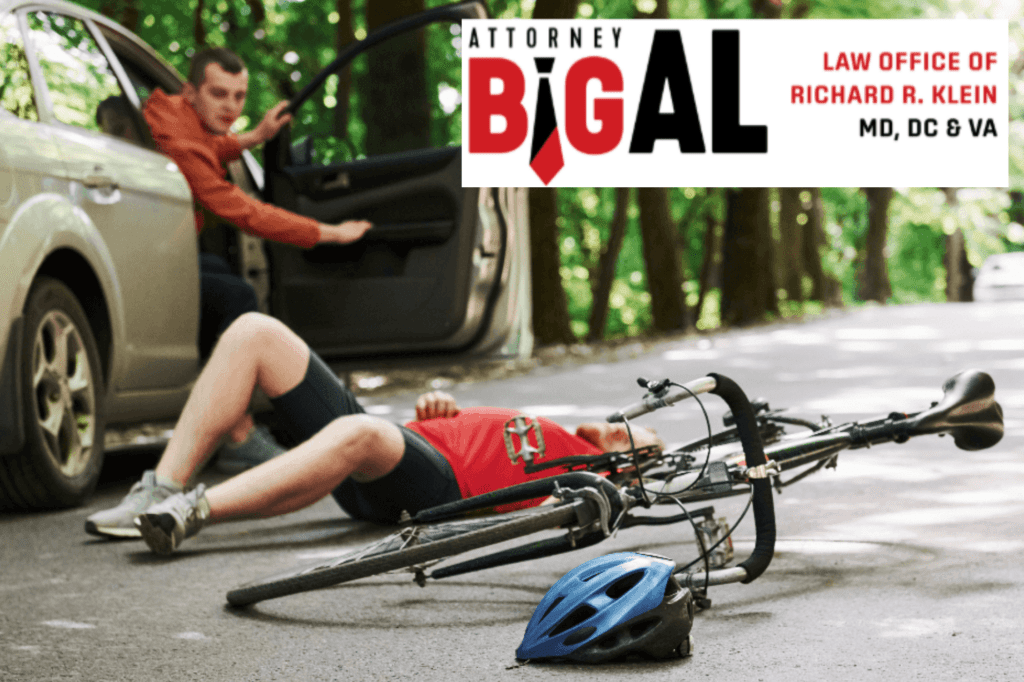
In many cities, bike lanes are placed next to parked cars. When drivers or passengers open their doors without checking for cyclists, it can result in what’s known as a “dooring” accident. These incidents can cause severe injuries, especially if the cyclist is thrown into traffic.
2. Vehicle Encroachment
Cars and trucks frequently drift into bike lanes intentionally or otherwise, especially in areas where the lanes are poorly marked or used as makeshift loading zones. This puts cyclists at immediate risk, forcing them into active traffic lanes with little warning.
Intersections: The Epicenter of Urban Cycling Risk
Intersections are one of the most dangerous places for cyclists. According to the National Highway Traffic Safety Administration (NHTSA), a large percentage of bicycle-related crashes occur at intersections.
1. Right-Hook Collisions
A right-hook occurs when a vehicle turns right across a cyclist’s path, often underestimating the rider’s speed or failing to check blind spots. These collisions are common and especially hazardous because they frequently happen at moderate to high speeds.
2. Left-Turn Blind Spots
Drivers making left turns may not see oncoming cyclists in the opposite bike lane. Even when a cyclist has the right of way, poor visibility or driver distraction can result in high-impact crashes.
The Silent Threat of Poor Road Maintenance
City roads endure constant wear and tear from traffic and weather, and bike lanes are often the last areas to receive maintenance. Potholes, debris, uneven pavement, and worn lane markings all contribute to cyclist injury issues that a knowledgeable Baltimore bicycle accident lawyer can help victims navigate when pursuing compensation.
1. Potholes and Cracked Pavement
Cyclists are more vulnerable to road defects than motorists. A small pothole or crack may be a minor annoyance to a car but can send a cyclist flying over their handlebars.
2. Gravel and Debris
Loose gravel, broken glass, or leaves can cause tires to lose traction, leading to skidding or sudden falls. Because bike tires are narrow, they are more susceptible to slipping on poorly maintained surfaces.
Distracted and Aggressive Drivers
Even with improved laws and awareness campaigns, distracted driving remains a leading cause of traffic accidents, and cyclists often pay the price.
1. Mobile Device Use
Drivers using phones or GPS devices are less likely to notice cyclists, especially those approaching from behind or alongside. The split-second distraction can result in devastating outcomes for a rider.
2. Road Rage
Tensions between drivers and cyclists continue to run high in many cities. Some drivers view cyclists as obstacles or intruders on “their” roads. This can lead to aggressive behavior, such as tailgating, honking, or intentional swerving.
The Complexity of Rideshares and Delivery Vehicles
Urban streets today are filled with rideshare cars and delivery vehicles from services like Uber, Lyft, DoorDash, and Amazon. These vehicles frequently stop suddenly, block bike lanes, or make unexpected turns.
1. Sudden Stops
Rideshare drivers may stop mid-block to pick up or drop off passengers, often without signaling. Cyclists riding behind or alongside may not have time to react.
2. Blocking Bike Lanes
Delivery vans and rideshares frequently use bike lanes for parking, forcing cyclists into vehicle traffic. This sudden merge can be dangerous if drivers don’t yield or give enough room.
Environmental Hazards Unique to Cities
Urban environments create unique weather and visibility challenges for cyclists.
1. Glare and Low Visibility
Glass buildings and long shadows can create blinding glare or dark patches on the road, making it harder for cyclists and drivers to see each other. Night cycling in the city is especially risky without proper lighting and reflective gear.
2. Urban Rain and Slick Surfaces
Rain mixed with oil and pollutants on city roads creates slick surfaces that increase braking distances and reduce traction. Manhole covers, painted road markings, and metal grates become especially hazardous when wet.
Why Cyclists Must Remain Proactive
While urban planning and public awareness continue to evolve, cyclists must take responsibility for their own safety. Defensive riding, proper gear, and legal awareness are crucial for navigating city streets.
1. Always Wear a Helmet
Helmets significantly reduce the risk of traumatic brain injury. Even on short trips or familiar routes, a helmet is an essential piece of safety equipment.
2. Use Lights and Reflectors
Urban cyclists should use front and rear lights, especially during dawn, dusk, or nighttime riding. Reflective clothing and bike-mounted reflectors further improve visibility to motorists.
3. Ride Predictably and Follow Traffic Rules
Obeying traffic signals, riding in the correct lane, and signaling turns can prevent misunderstandings between cyclists and drivers. Erratic or unpredictable riding increases the risk of collisions.
Legal and Financial Consequences of a Cycling Accident
Injuries from cycling accidents can be physically and financially devastating. Medical bills, lost wages, rehabilitation, and emotional trauma are just a few of the costs. Many cyclists are unaware that they may be entitled to compensation if a driver’s negligence caused the accident, something a skilled bicycle accident attorney Baltimore can help determine and pursue.
If a motorist, city maintenance failure, or delivery company vehicle is responsible, a personal injury claim may be necessary. That’s why it’s critical to understand your rights and consult a legal professional, specifically a knowledgeable bicycle accident lawyer Baltimore residents can trust, after an incident.
About Attorney Big Al
At Attorney Big Al, we are committed to protecting the rights of cyclists and other vulnerable road users. Our legal team understands the unique challenges cyclists face in urban environments and is dedicated to helping accident victims receive the compensation they deserve.
From navigating complex insurance claims to building a strong case against negligent drivers or entities, Attorney Big Al offers skilled, compassionate legal representation. If you or a loved one has been injured while cycling in the city, contact us today.